Motivation and Values

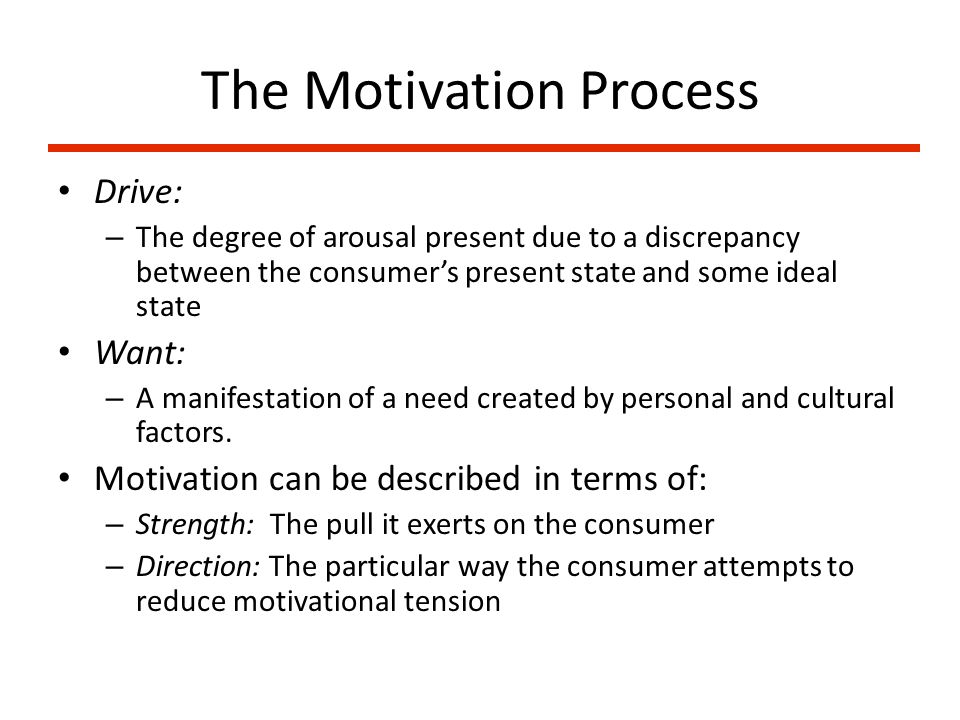
According to me, when completing a difficult task, some motivation is required to push you through and this could be achieved through how important the end goal that needs to be achieved is. Have you ever done something just because someone else wanted you to? The fact that you feel you need something or someone as a reason to complete the task means you have less motivation to complete the task. A motive to do something has direction as well as strength. This depends upon the needs and wants of people. And thus, affects the motivation to purchase your brand.

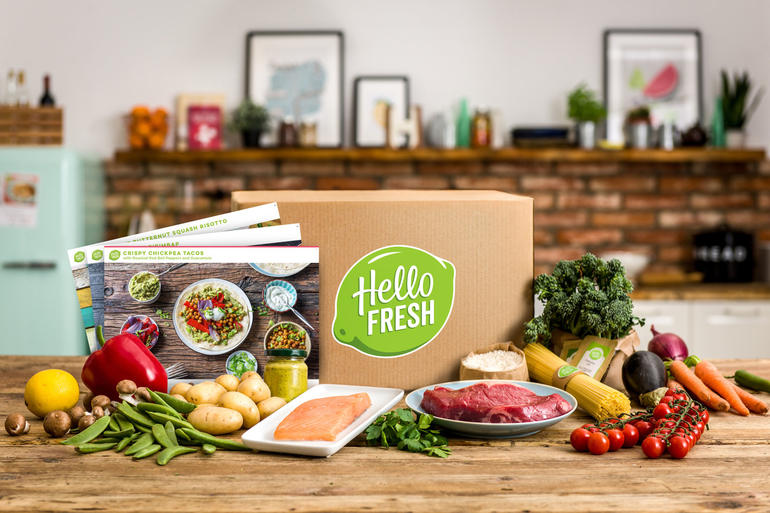
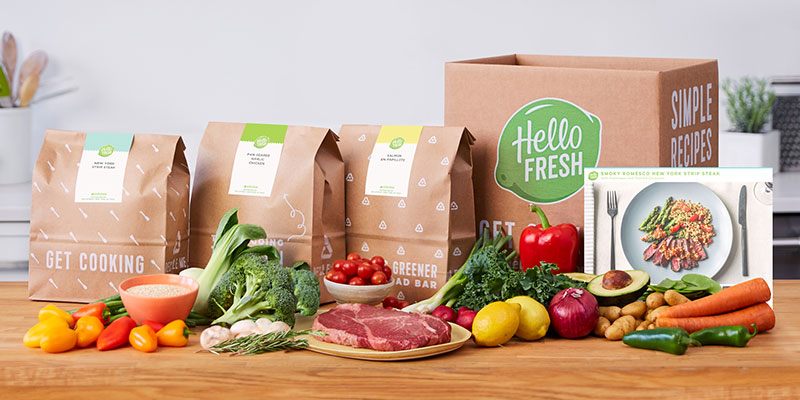
Though Hello Fresh deals with food and helps attain biogenic needs, those basic needs that help maintain life, it is a hedonic need, where people rely on a product that could maybe satisfy that and these needs for social acceptance or pleasure, these are subjective and experiential. Furthermore, it also could come under the utilitarian need, those needs that rely on the product to satisfy their basic needs. For example, if a student who doesn’t know how to cook and needs the motivation to learn how to cook can subscribe to Hello Fresh and fulfil these needs through the recipes given with every purchase. Thus, Motivational Direction is goal oriented and with that they drive us to satisfy a need (Solomon et al., 2018).
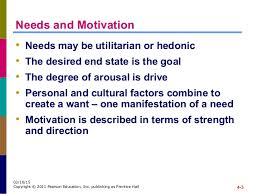
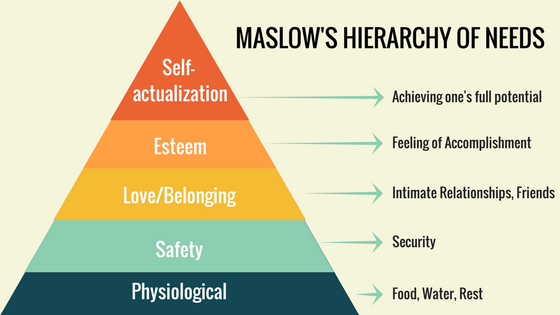
In Maslow’s Hierarchy of needs, Hello Fresh as a brand would come under Belongingness. As explained above in the example, these needs come under ‘Need for achievement. In this case, a motivational conflict that may occur could be Approach-Approach conflict. This means the decision people have to take when given the option of spending time buying groceries themselves or getting groceries delivered to them with recipes, keeping in mind both choices are desirable.

In the 3 M’s model, Hello Fresh consumers would fall in the category of compound level of motivation, this means that they are open to trying new things that help satisfy their needs. The Compound level of Motivation consolidates parts of the basic stages with the learning history and culture of a shopper (Solomon et al., 2018).
Reference :

  • Solomon, M, Russell-Bennet, R, & Previte, J 2018, Consumer Behaviour: Buying, Having Being, P.Ed Australia, Melbourne. Available from: ProQuest Ebook Central. [24 May 2019].
  • fresh, h. (2019). Why Get HelloFresh? | Testimonials | HelloFresh. [online] Hellofresh.com.au. Available at: https://www.hellofresh.com.au/testimonials/?redirectedFromAccountArea=true [Accessed 24 May 2019].
Decision Making Process

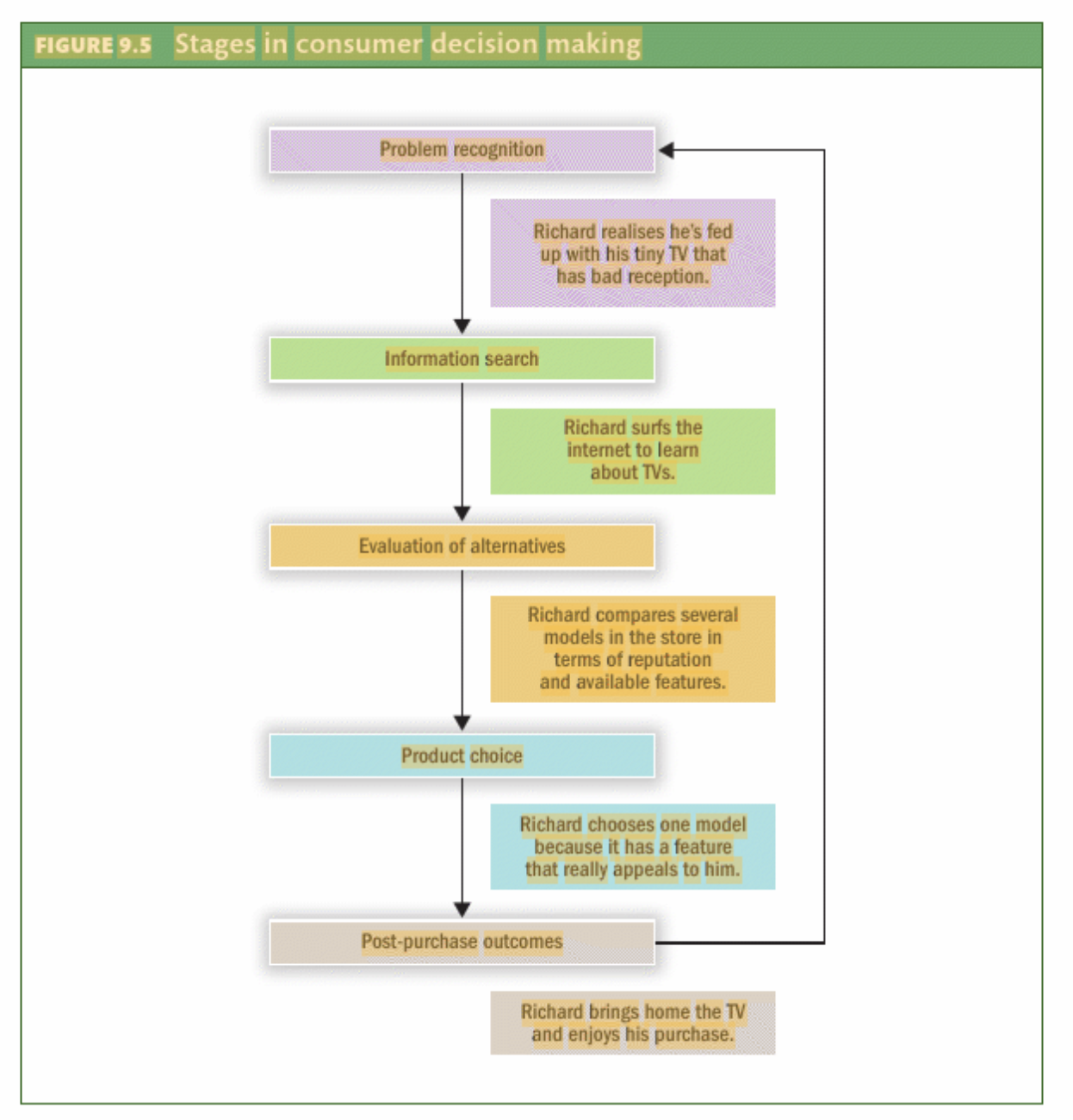
This week I went shopping through CBD in Wollongong the moment it hit 15 past 9 there was a surge of cold winds that sent chills down my spine, coincidently at that very moment I saw a beautiful leather jacket. So, I thought to myself i should use the decision-making process on why I should buy this as it was expensive for me to buy without giving it any thought. ”Affective Events Theory (AET) is a mental model intended to clarify the association among feelings and emotions in the working environment and employment execution, work fulfillments and practices. AET is underlined by a conviction that individuals are passionate and that their conduct is guided by feeling”(Textbook 290). Due to this I started researching a little more and found a 5 step process on how to make my decisions worth it. 

Thus using the 5 step decision-making process I realised the problem was the cold weather. Due to this I began looking for something fashionable and warm, thus from a variety of clothing options, I chose a denim Jacket from Levi, since it was something i always wanted to buy and felt it was the right time to make the purchase. The post-purchase outcome was the best as my parents found it to be a great buy since the quality is quite good and durable, as well as, fashionable and it matched all the things i wanted from the purchase.

It was at the level of limited problem solving where simple decision rules were used to make a choice between the different alternatives I had in front of me. Since the problem had already been established, it limits the need of gathering more information with regards to a simple purchase like a jacket. Perceived risks are those risks that occur due to the consequences of the purchase. It is an evaluation of uncertainty the consumer faces when buying a product or service. So, in my case, the types of risk that occurred were social risk, financial risk and time risk. This type of purchase comes in the high social risk and low financial risk category.

Brand’s image at this point is what really matters, because at the end of the day it is how the customers view the brand and the reputation really affects the purchase. And this is the same reason I chose Levi’s, I know of the brand, how good the quality is and brand credibility does exist in this case. (Solomon et al., 2018)

Reference :

Solomon, M, Russell-Bennet, R, & Previte, J 2018, Consumer Behaviour: Buying, Having Being, P.Ed Australia, Melbourne. Available from: ProQuest Ebook Central. [21 May 2019].

Personality and the Self

Hello Fresh is a German based brand which developed its image over time among its consumers. Although the brand is large it still needs to practice these ‘Big Five’ traits (Solomon et al, 2018):

  1. Sincerity
  2. Excitement
  3. Competence
  4. Sophistication
  5. Ruggedness

Furthermore, through studies it has been proved that there is a relationship between the Consumer’s personality and the Brand’s personality they prefer.

The first trait, Sincerity is all about being honest and doing things genuinely, which Hello Fresh is as it provides 100% fresh products to its consumers. It not only has the benefit of receiving fresh produce but also provides genuine diet plans for the consumers who look towards healthy eating. 

Excitement, the second trait, which means being daring, imaginative, up-to date, which Hello Fresh definitely is because of the number of competitors in this particular market industry and thus, still been able to prove its uniqueness and brand image. Moreover, it is up-to date as it regularly tends to the needs of its consumers and makes decisions according to the information they collect from the public.

Competence includes trust which I think comes over a period of time, as Hello Fresh has a new concept of providing products to its consumers which could take time to adapt.

Hello Fresh is doing a very good job in making sure that its consumers are getting the best quality products along with a healthy lifestyle. Everyone wants a brand which helps people and that’s what Hello Fresh is doing making people healthier while satisfying consumer needs.

Perception

This week’s blog is about how consumers perceive the image of Hello fresh or in other words, the Brand Perception of Hello Fresh. Hello Fresh is a German based company who is considered to be the largest meal-kit provider in the United States, which also has its branches or operates in countries like: Canada, Australia. We know that not all people prefer eating outside, thus Hello Fresh’s main target audience are the ones who prefer cooking at home rather than spending money outside. Moreover, Hello Fresh looks also towards the health of its end consumers thus provides organic food which in recent research showed that people actually don’t mind paying more for organic food. I think that Hello Fresh has adopted the Developmental Approach as they have developed their personality of providing a meal-kit over time which has been influenced by consumer experiences. Like Hello Fresh, there are a number of competitors in this industry therefore leading to consumers practicing the Social Comparison Theory. However, Hello Fresh has proved to its consumers that it still remains better than its competitors since it not only provides them with great meal-kits but also looking towards the health factor. Their main target aims at minimizing the effort for the consumer by making it easier since consumers don’t have to waste time going out and grocery shopping. Hello Fresh is actually providing maximum pleasure to the consumer by following the Pleasure Principle. This would be preferred by consumers which have the following Personality Traits:

  1. Enjoyment of Shopping
  2. Impulsiveness
  3. Need for affect

Hello Fresh is thus doing an amazing work as its consumers can decide whatever plan they want and the Meal-kit would be at their door steps without them being confused on what to buy and where to buy. Thus, having a Personality like being Rugged, Intelligent and most importantly Efficient is important for a Brand.

https://www.hellofresh.com/how-it-works/?redirectedFromAccountArea=true

Morning Morality Effect

Has the thought of whether people are more moral in the morning but less in the evening ever crossed your mind? The Morning Morality Effect – is a phenomenon where people are less likely to lie or cheat in the morning than in the afternoon. Furthermore, this effect was mediated by the decrease in self- awareness and morality in the afternoon. For example, it is easier to avoid cheating on your diet in the morning than later in the night. This effect proves that the impact of time of day on dishonest conduct was observed to be more grounded for individuals with a lower propensity to ethically separate.

This effect questions human behaviour as a whole. For example, why do ‘good’ people do ‘bad’ things? Good people everywhere who, despite having selfish desires, wish to behave as well as be viewed as moral upstanding human beings. But even though they could be interested in doing the right thing, the thought of cheating, stealing, lying or doing anything bad that results in personal gain could still come through and thus, failure to control these train of thoughts. The reasons for a decrease in people’s ability to exert self-control might be because of time pressure (Shalvi, Eldar & Bereby-Meyer, 2012), sleep deprivation or even participating in particular tasks that would require using self-regulatory resources (Gino, Schweitzer, Mead, & Ariely, 2011), which results in people being unethical in situations where temptation is involved.

The extent to which people behave unethical and don’t feel any sort of guilt or distress is known as Moral Disengagement, and thus shows how strong the morning morality effect actually is. Through various studies, researchers have discovered that there are two types of people, those who behave unethically with having no guilt for their actions and then those that are known to be ethical and are affected due to their actions. Those people that have a higher propensity to morally disengage are more likely to cheat in the morning and evening too. But the people that have a lower propensity to morally disengage were honest in the morning and less so in the afternoon.

References: